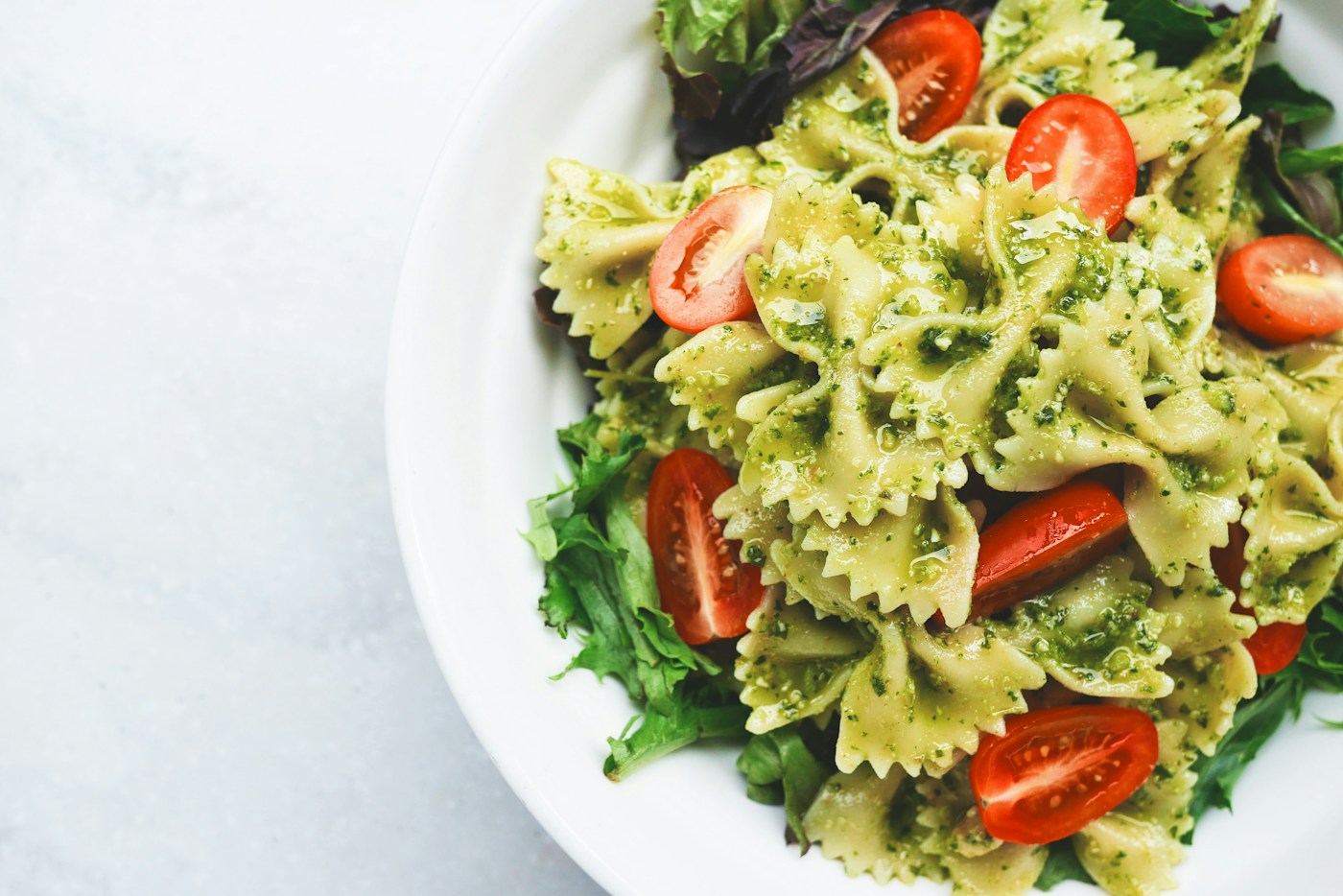
A food name does not tell the whole story. Toast and soft bread start with the same ingredient but feel different to eat. If texture influences your choices, planning around a familiar preparation can help you describe what you want more clearly. This is a cooking preference tool, not a feeding assessment.
Describe the preparation, not just the ingredient
Write down what makes a familiar food workable: smooth rather than lumpy, dry rather than coated, or crisp rather than chewy. Temperature, sauce, and mixed ingredients can also matter. The site's texture labels describe the intended recipe preparation; they cannot predict every person's experience.
Explore texture examplesStart with a soft or crispy collection
For a soft starting point, try the Soft filter to browse pasta, pancake, or oat ideas. If a crisp edge is more appealing, try Crispy. Combine a texture with a meal or time limit. The current collection is small, so a combination may have no results; clear one filter to broaden it.
Browse soft-textured ideasKeep a familiar component separate
For a plate built around crispy pizza or toast, serve any sauce or moist side separately so it does not change the texture before eating. For pasta, set aside a plain portion before mixing. These are preparation options, with no promise that a particular meal will be accepted.
Keep sauces and toppings optionalUse the food list as a conversation starter
Mark foods Familiar or Maybe according to the person using the list. A blank box is allowed. The checklist stores food names rather than detailed texture notes, so use a printed copy if you want to add notes such as peeled, smooth, or lightly toasted. Do not enter medical details into a shared device.
Print your food listTurn preferences into a flexible week
Choose dinners with a preparation you already enjoy, repeat a favorite, and add optional sides separately. The dinner planner does not infer preferences from your food list or automatically recommend meals. You make the selections; they stay in this browser.
Build a week of dinnersKnow when a preference tool is not enough
Seek advice from a qualified clinician for choking, swallowing problems, growth concerns, allergies, or restrictive eating that affects daily life. Texture labels on this website are not clinical texture levels and must not be used as a dysphagia diet or treatment plan.
Common questions
Does Soft mean safe for swallowing difficulties?
No. Our informal cooking labels are not clinical texture classifications. Follow advice from your qualified care team.
Does the site automatically build a plan from my food list?
No. The checklist and dinner plan are separate tools; you choose the meals manually.
Updated November 29, 2026. Recipe drafts await cooking review; photographs are illustrative.
Safety references
- Safe minimum internal temperatures — FoodSafety.gov
- Cold food storage guidance — FoodSafety.gov
- Choking hazards for infants and toddlers — CDC