Name the detail instead of ruling out the whole food
Ask whether the problem is an unexpected piece, a wet surface, a stringy bite, or a temperature. 'Toast is fine, but soggy bread is not' is more specific than 'I do not like bread.' Different preparations of the same ingredient can feel very different.
Use filters as a starting point
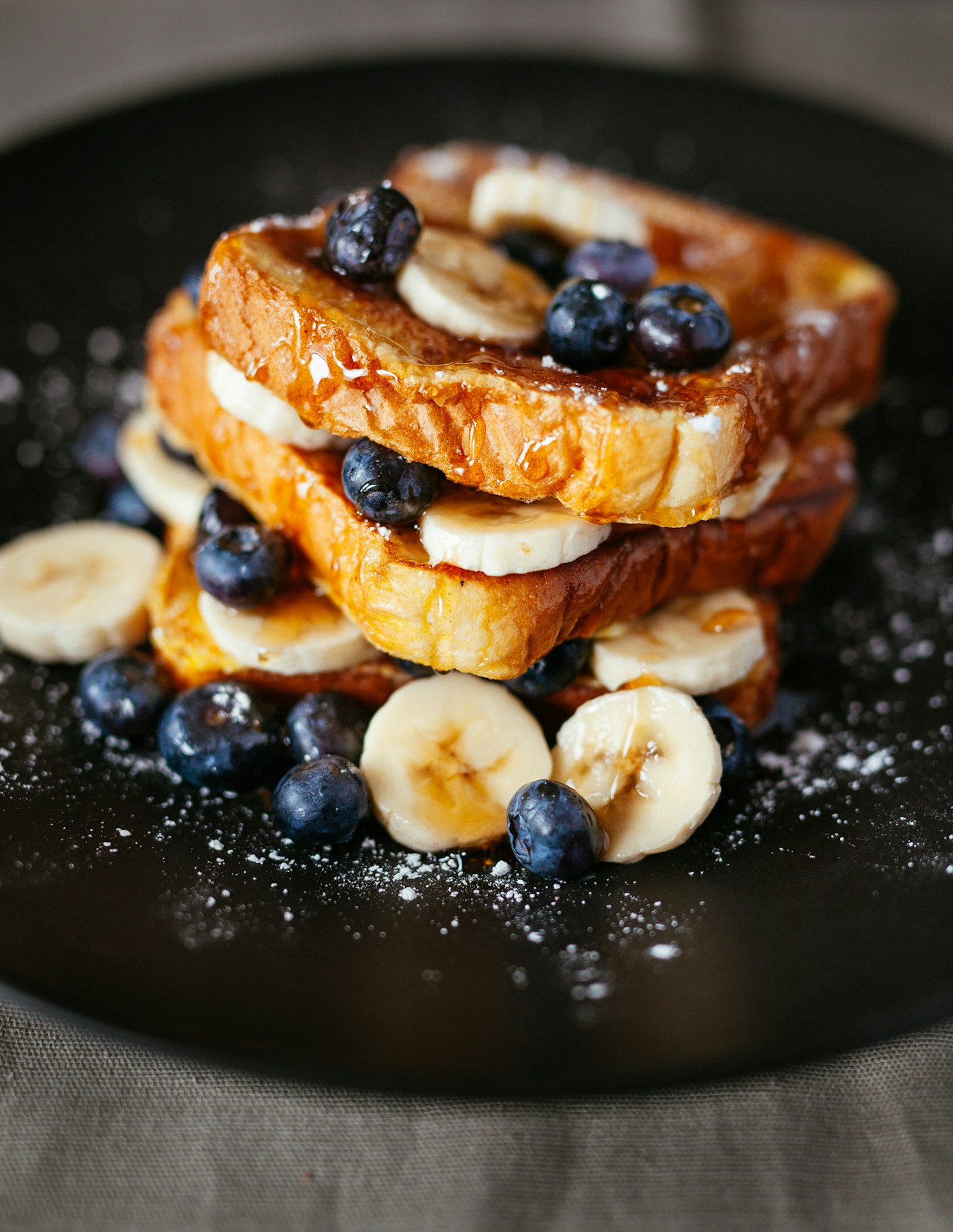
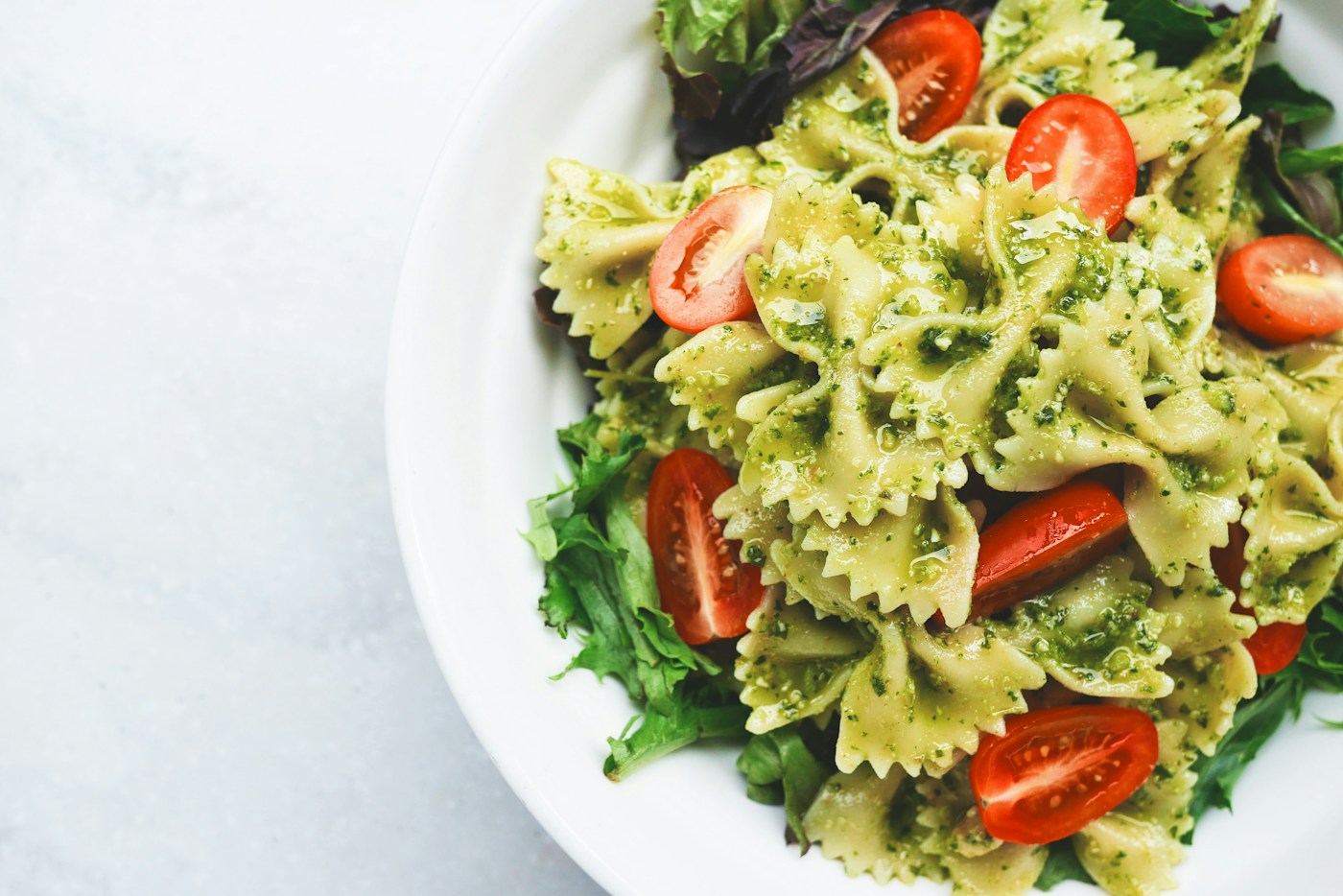
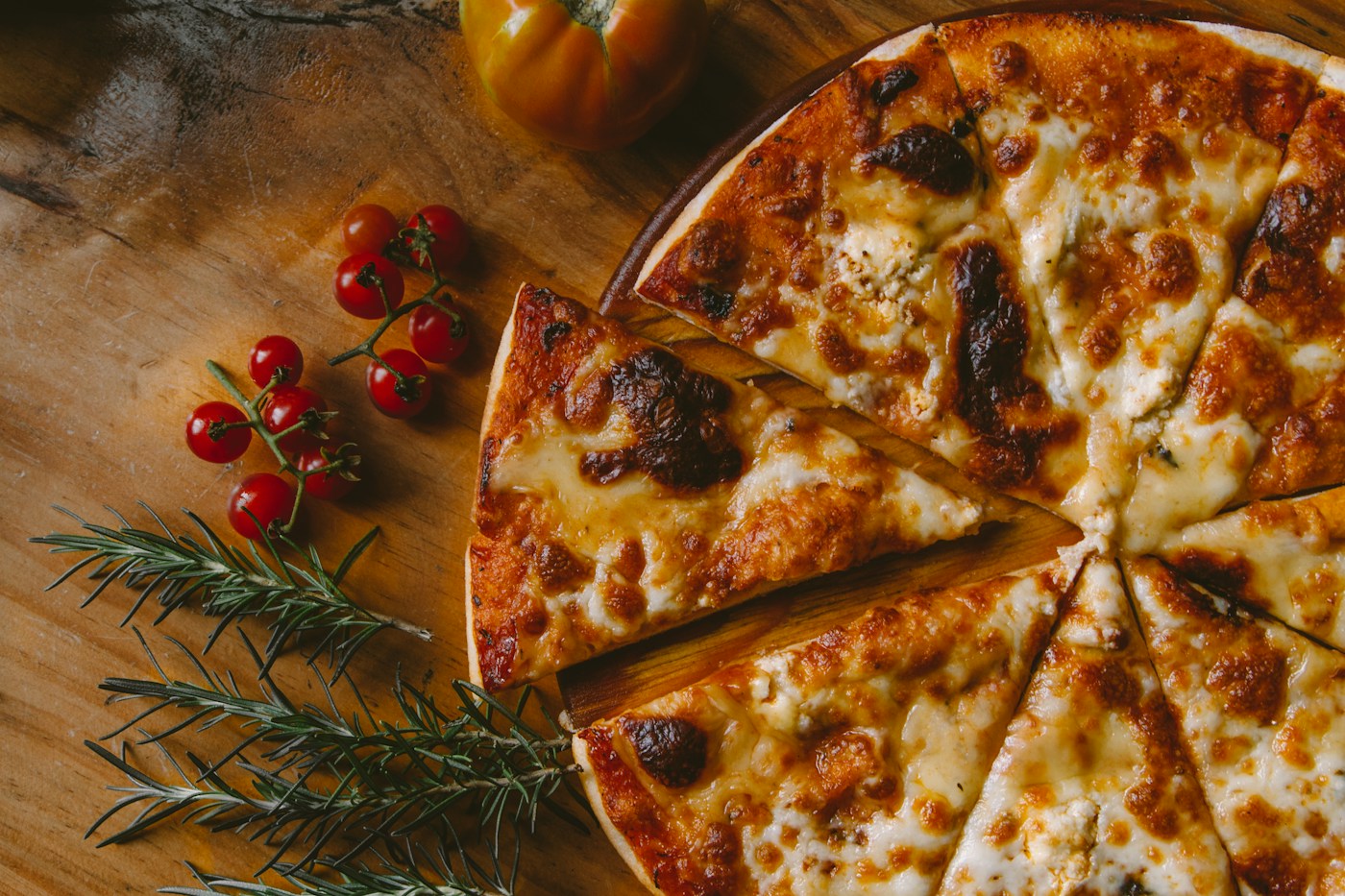
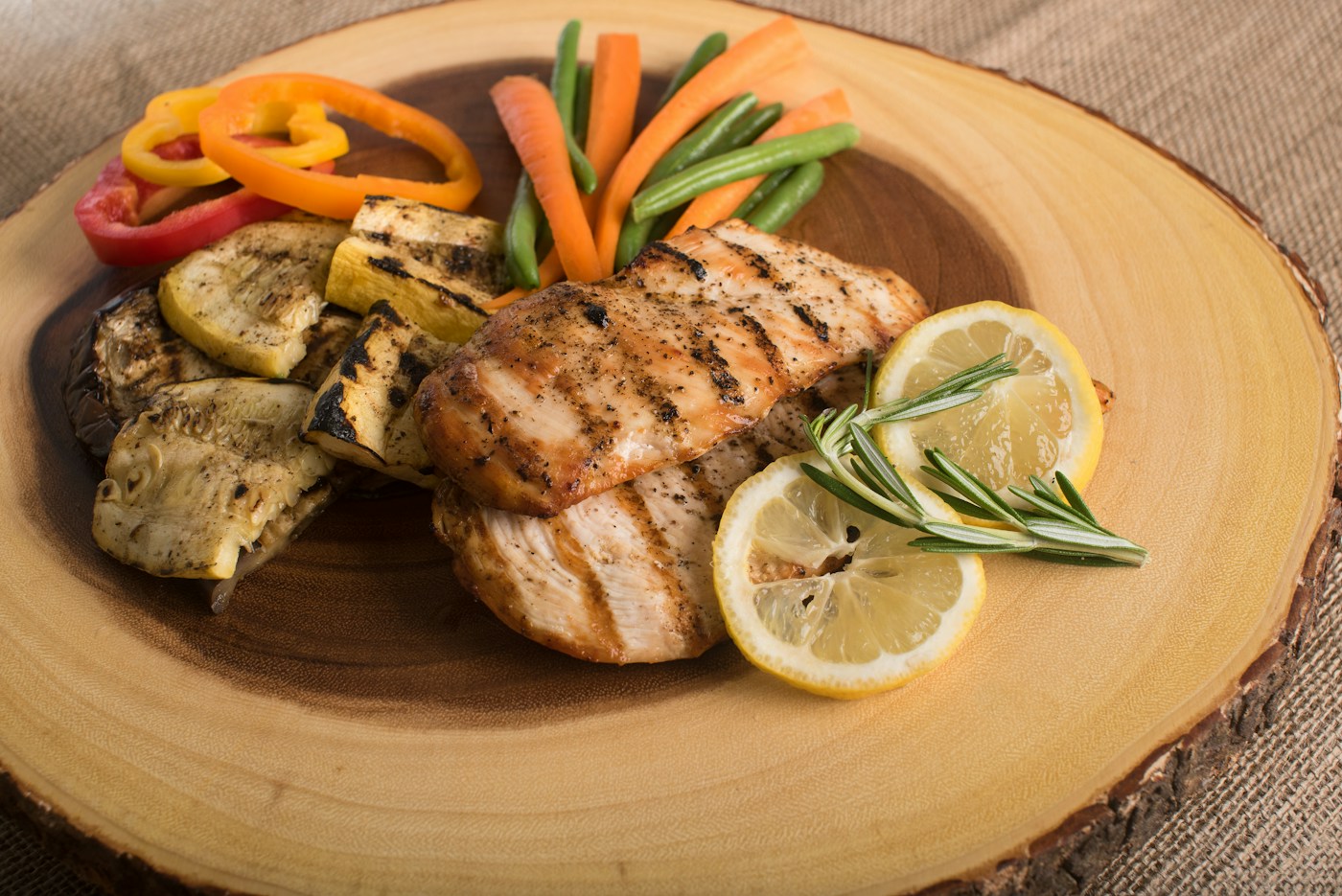
The recipe filters describe a main feature of each idea, not every bite of the finished dish. Pizza has crisp edges and soft cheese; a lunch bowl may contain crunchy vegetables and soft rice. Open the recipe to see the ingredients, then leave components separate or make a suitable swap.
Keep a short preparation note
In your own notes, record the food, preparation, temperature, and serving style. For example: 'toast, lightly browned, served warm, fruit separate.' Our food checklist records Familiar or Maybe for the food itself; it does not store these extra details.
Change one variable at a time
Keep the plate and familiar sides the same while changing one part of the preparation. Try a different cut, a little less sauce, or a softer cooked vegetable. This is a cooking preference exercise, not a requirement to tolerate a texture.
When to seek individual advice
Difficulty swallowing, pain, choking, or a very restricted diet that affects daily life calls for help from a qualified healthcare professional. Texture filters are browsing tools; they do not assess swallowing safety or provide feeding therapy.
Common questions
Does crispy mean the same thing as crunchy?
We use crispy for thin, browned surfaces such as flatbread edges, and crunchy for firmer bites such as raw vegetables. These are informal browsing labels. The actual result depends on preparation and serving time.
Why does a soft recipe have a crunchy topping?
The label describes the main base. Optional granola, vegetables, or other toppings may add a different texture; keep them separate if you want a smoother result.
Sources & editorial notes
Temperature, storage, and child-safety guidance are linked below. These sources support general safety notes; they do not endorse this site or verify our recipes.
- Safe minimum internal temperatures — FoodSafety.gov
- Cold food storage guidance — FoodSafety.gov
- Choking hazards for infants and toddlers — CDC
These guides are general cooking information. Recipe timings and photos are illustrative; no test-kitchen or clinical review is claimed. Our editorial approach · Report a correction