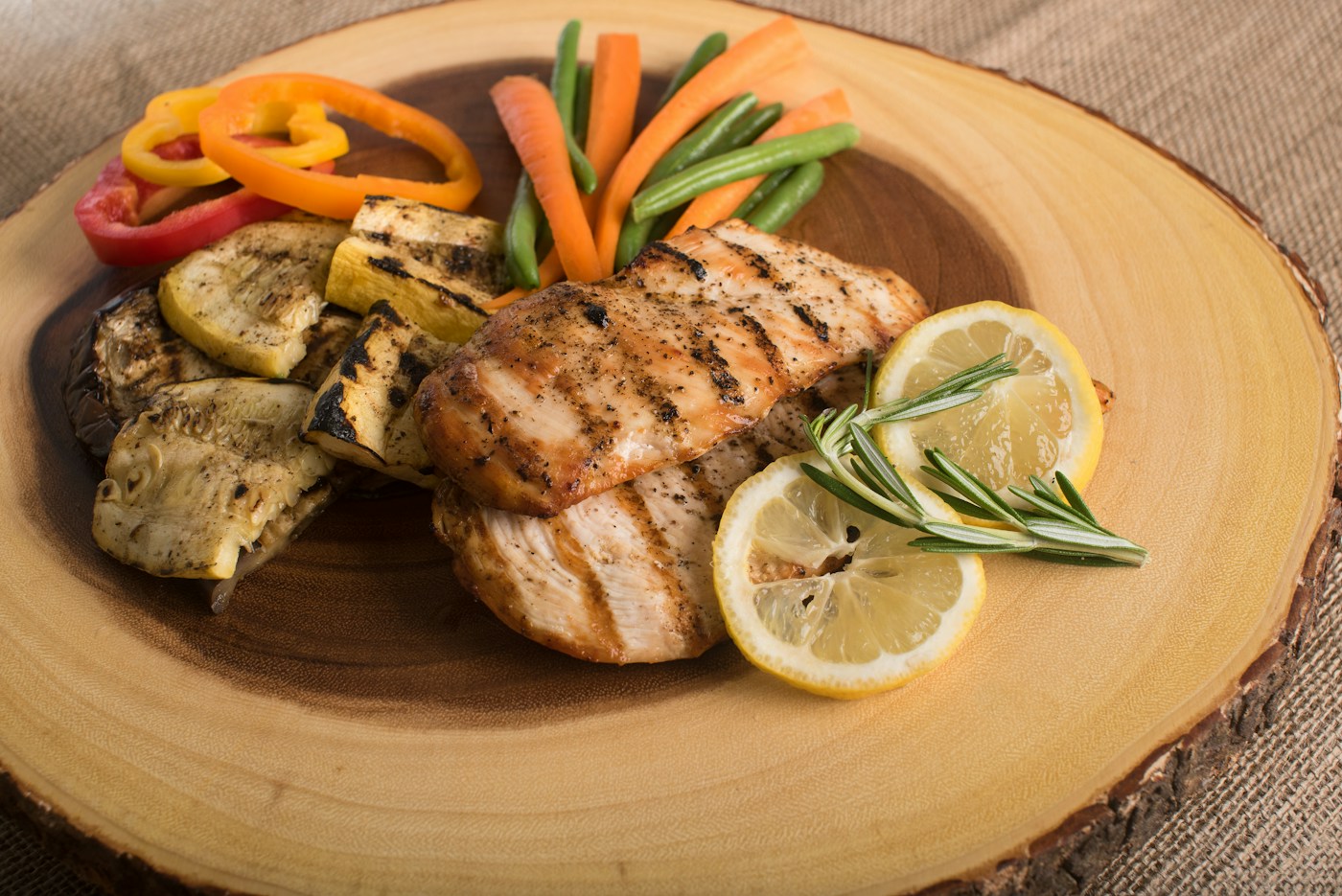
When dinner needs to happen quickly, deciding can take as much effort as cooking. Start with one familiar base, choose a protein or side your household already uses, and make one component optional. The goal is a manageable dinner, with room for different preferences at the same table.
Choose tonight's constraint first
Decide how much time and equipment you actually have before choosing a dish. Use the collection's 20-minutes-or-less filter for a small set of ideas, then select Dinner if you only want evening meals. Recipe times are estimates and the drafts have not been kitchen-tested, so leave room for preparation and checking doneness.
See dinner ideas in 20 minutes or lessBuild one meal in separate parts
For pasta night, put cooked pasta, sauce, grated cheese, and a cooked protein or vegetable in separate serving bowls. Each person can choose the components and amounts that work for them. Keep any newly offered item separate if mixing it would make the familiar food less appealing.
Explore sauce-on-the-side mealsPlan two easy evenings around the same staple
For example, serve rice with chicken and a familiar side one evening, then use rice as a separately served side with fish or another household favorite later in the week. This is a planning example rather than a tested menu. Check ingredient quantities and labels; the planner groups ingredients but does not optimize waste, cost, nutrition, or allergens.
Repeat a reliable dinner on the busiest day
In the seven-day plan, change the busiest evening to a meal you already know how to cook. Repetition can make shopping simpler. The starting recipes serve two; scale the ingredients yourself for more people, and add any extra sides to the printed list.
Adjust the seven-day dinner planLeave a clear note for tomorrow
Mark familiar foods on the food list and print it beside the weekly plan. Rather than recording a meal as a success or failure, note the preparation you want to repeat: sauce separate, softer pasta, or a crisp edge. Choices in the tool stay in this browser.
Make a familiar-food checklistKeep preparation safe
Shortcuts must still allow safe cooking and storage. Check cooked poultry reaches 165°F / 74°C and reheat leftovers to 165°F / 74°C. Refrigerate perishable food promptly and use official storage guidance. Prepare children's food in age-appropriate shapes and sizes; seek individual advice for allergies or swallowing difficulties.
Common questions
Is this a complete family nutrition plan?
No. It is a dinner-planning routine. Add suitable portions, sides, and other meals for your household.
Will the planner automatically reuse leftovers?
No. It groups ingredients for selected recipes; you choose repeats and manage safe storage yourself.
Updated November 29, 2026. Recipe drafts await cooking review; photographs are illustrative.
Safety references
- Safe minimum internal temperatures — FoodSafety.gov
- Cold food storage guidance — FoodSafety.gov
- Choking hazards for infants and toddlers — CDC