
Build a meal around what already works
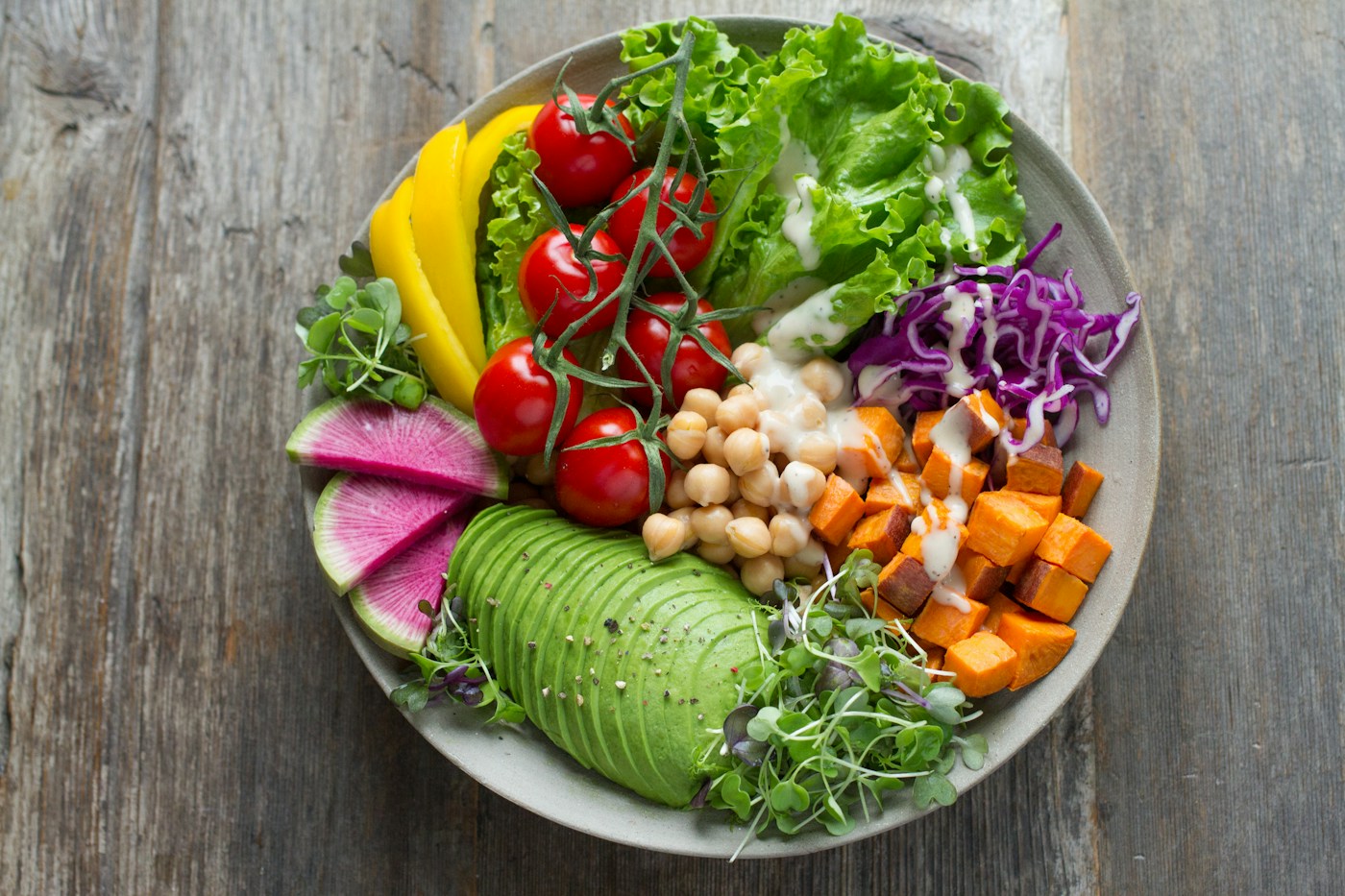
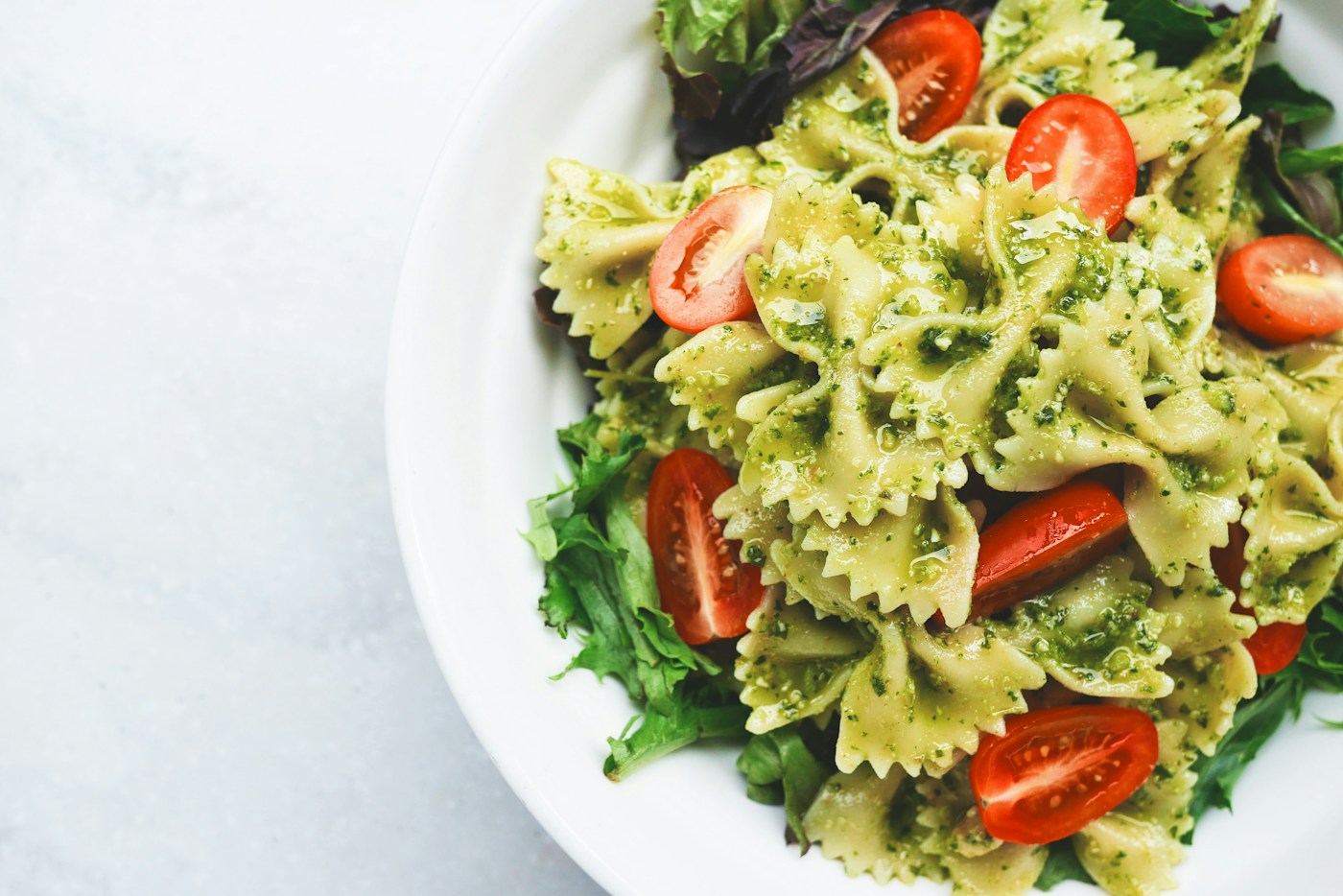
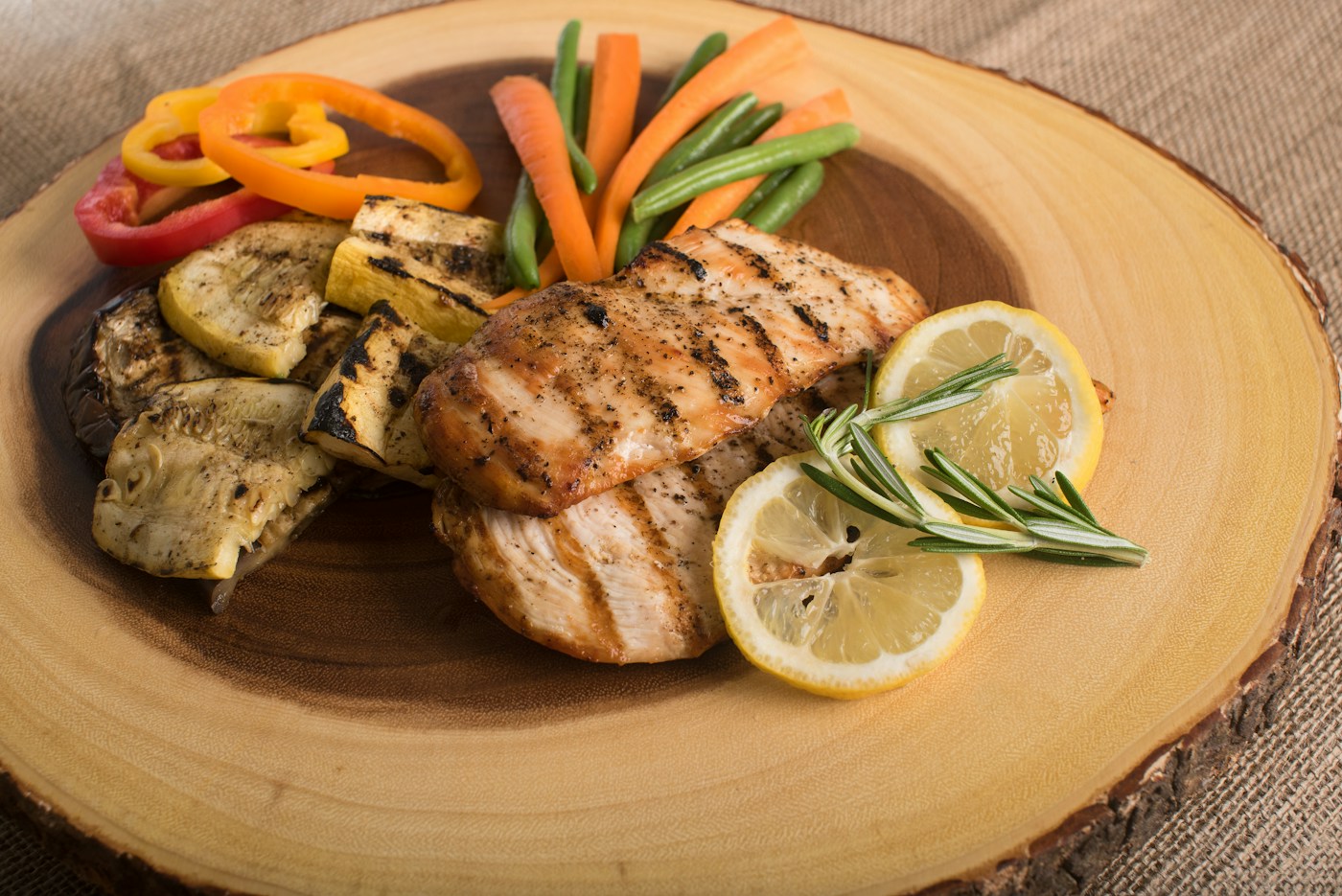
Choose a familiar base such as bread, rice, potatoes, or pasta. Then consider a protein food and a fruit or vegetable that fit the household's preferences. These are components to offer, not a rule that every plate must contain every food group. Portions and needs vary with age and individual circumstances.
If everything has to stay separate
Use one tray with small dishes rather than making several complete dinners. Keep sauce out of the main pan, reserve a plain portion, and let everyone add their own extras. A divided plate can help with presentation, but an ordinary plate and a small bowl work too.
If you are cooking for a busy week
Pick two or three bases you already use, then repeat them in different combinations. Rice can accompany chicken one night and a chickpea lunch plate another. Include only the meals you intend to cook in the shopping list, and check the fridge and cupboards before buying more.
For adults, children, and different appetites
These ideas can be adapted for different people, but the written recipe quantities are not age-specific feeding guidance. Adjust portions, cut foods into suitable shapes and sizes, and account for allergies. Whole grapes, hard raw vegetables, and similar foods need particular care for younger children; consult the choking guidance linked below.
What to try when an idea does not appeal
Change one controllable part: a different pasta shape, a smaller amount of sauce, softer vegetables, or a cooler serving temperature. Mark familiar foods in the printable food list and keep preparation notes separately. There is no need to turn one meal into a test of trying everything.
Common questions
What can I make if someone dislikes vegetables mixed into food?
Offer a familiar main with a vegetable separately. Keep the texture and seasoning visible and predictable. A sauce or topping on the side gives the eater more control than stirring it through the whole dish.
Are these complete meal plans?
No. These are cooking ideas, and the weekly planner covers dinners only. Add breakfast, lunch, snacks, drinks, portions, and other sides to suit your household. A dietitian can help with individual nutrition needs.
Do I need to cook a different dinner for everyone?
A shared base with separate extras can reduce the number of dishes you prepare. For example, serve plain pasta, sauce, cheese, and a side separately, so people can finish their own plates.
Sources & editorial notes
Temperature, storage, and child-safety guidance are linked below. These sources support general safety notes; they do not endorse this site or verify our recipes.
- Safe minimum internal temperatures — FoodSafety.gov
- Cold food storage guidance — FoodSafety.gov
- Choking hazards for infants and toddlers — CDC
These guides are general cooking information. Recipe timings and photos are illustrative; no test-kitchen or clinical review is claimed. Our editorial approach · Report a correction